Local Living: Managing Transit and Infrastructure in Whistler Village

This guide covers the practicalities of daily life within Whistler Village, specifically focusing on how we manage transportation, seasonal road changes, and municipal infrastructure. If you live here, you know that moving from your apartment to the grocery store or a local park requires more than just walking; it requires understanding the local systems that keep our community running smoothly.
Living in the heart of the action means we deal with a unique set of logistical challenges. Whether you're walking down through the pedestrian zones or trying to coordinate a grocery run, the way we move around Whistler Village changes depending on the season and the time of day. We'll look at the systems in place for transit, bike maintenance, and how to handle the inevitable snow-clearing cycles that affect our local streets.
How do I get around Whistler Village without a car?
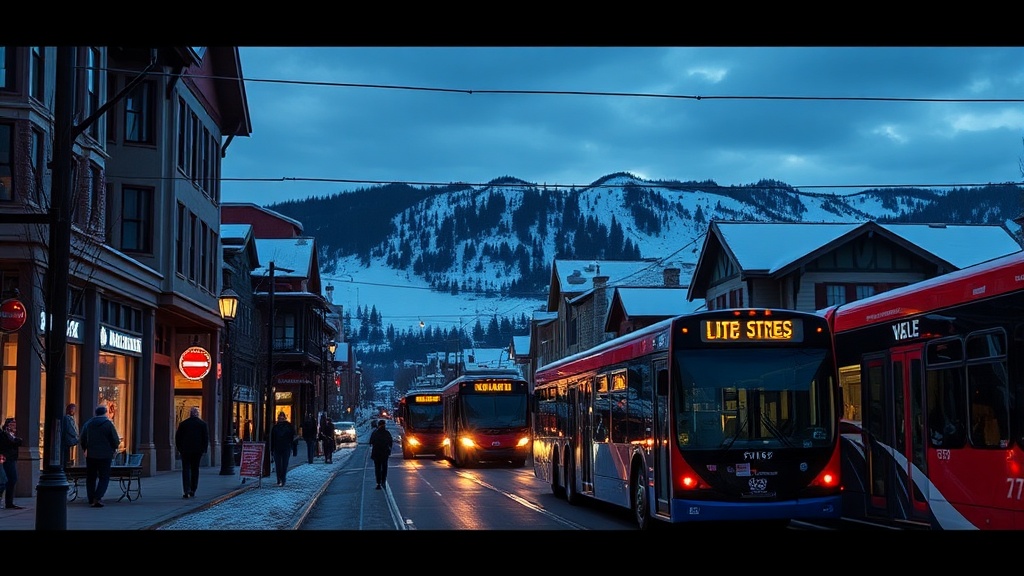
For most of us, a car is more of a liability than an asset when we're living in the center of the action. The Whistler Village Transit system is our lifeline. While many people see the buses as a way to get to the mountains, for those of us living in the village, it's about getting to the grocery store or meeting friends near the Whistler Village Gondola. The buses are incredibly reliable, but you have to time them right—especially during the peak seasonal shifts when the crowds are thicker.
If you're cycling, you've likely noticed the constant battle with the elements. The paths through Whistler Village are well-maintained, but the transition from fall to winter can be tricky. We recommend keeping your bike gear ready for the sudden shifts in weather. The local bike shops around the village often have tips on winterizing your ride, which is a smart move if you're planning on commuting through the village during the colder months.
What are the best ways to manage winter street-clearing?
As the snow falls, the municipal crews work tirelessly to keep the paths open. However, as residents, we have a responsibility to the community too. When you're walking from your residence near Upper Village or navigating the streets of Whistler Village, you'll notice that the snow-clearing schedule is quite strict. This is vital for safety, but it also means your walking routes might change unexpectedly.
We often see people struggling with the slushy buildup near the curbs. It's a good idea to check the local municipal updates to see if certain streets in the village are undergoing heavy maintenance. Staying informed helps you plan your morning walk or your evening errands without getting caught in a blizzard-induced detour. The community relies on everyone doing their part to keep the walkways clear and safe for the elderly or those with mobility issues.
Where can I find reliable local transit info?
Staying updated is a full-time job when you live in a place that changes as rapidly as ours. For the most accurate, real-time data on bus arrivals and service changes, you should always check the official Whistler Transit website. They provide the most current info on how routes are being adjusted during events or heavy snow days.
If you're looking for more detailed information on local infrastructure projects or upcoming road changes within the village, the District of Whistler website is the go-to source. It's where the decisions about our streets and public spaces are actually made. Knowing what's happening with the local construction or the snow-clearing schedules can save you a lot of frustration during your daily commute.
The rhythm of life in Whistler Village is dictated by these systems. We aren't just tourists passing through; we are the people who rely on these buses, these paths, and these municipal services every single day. Understanding how the village functions—from the bus schedules to the snow-clearing priority—is what makes living here sustainable and efficient.
One thing to keep in mind is that during the high-volume seasons, the transit-use can feel quite different. The buses are often more crowded, and the pedestrian areas near the Whistler Village Gondola become much more active. Being a local means being prepared for these shifts and knowing how to adjust your movement to stay ahead of the rush. It's all about being part of the community and respecting the shared spaces we all use.
- Always check the transit app before heading out if you're on a tight schedule.
- Keep your walking boots ready; the village paths can change in an instant.
- Be mindful of pedestrians when moving through the central village hubs.
- Stay informed via the local municipal channels for any unexpected service disruptions.