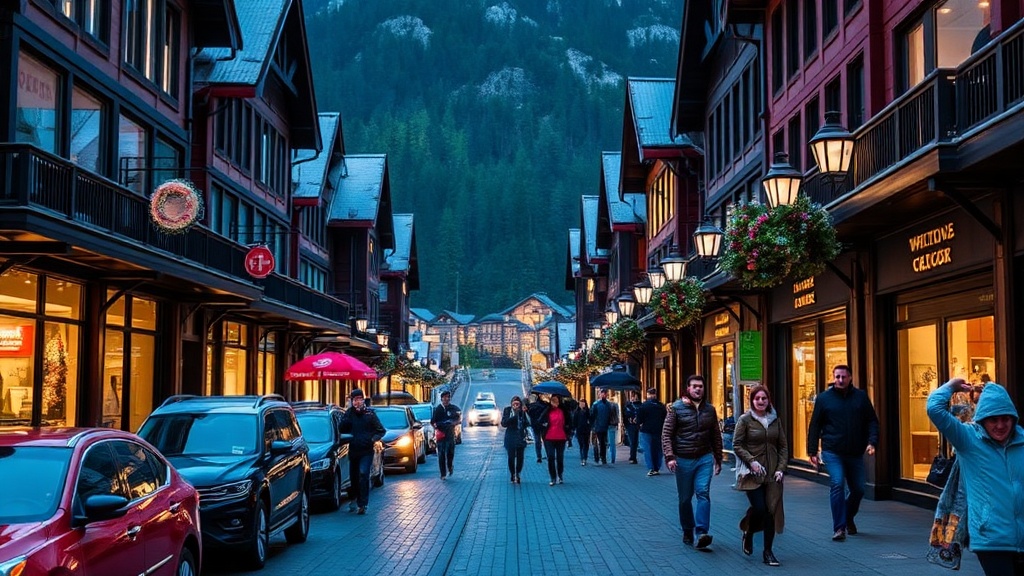
How Locals Actually Navigate Whistler Village (Without the Tourist Mistakes)

If you live in Whistler long enough, you stop experiencing the village the way visitors do. You stop chasing checklists. You stop standing in obvious lines. You start moving with the place instead of against it.
This isn’t a highlight reel. It’s how Whistler Village actually works day to day—from a local’s perspective—and how to fit into that rhythm instead of fighting it.
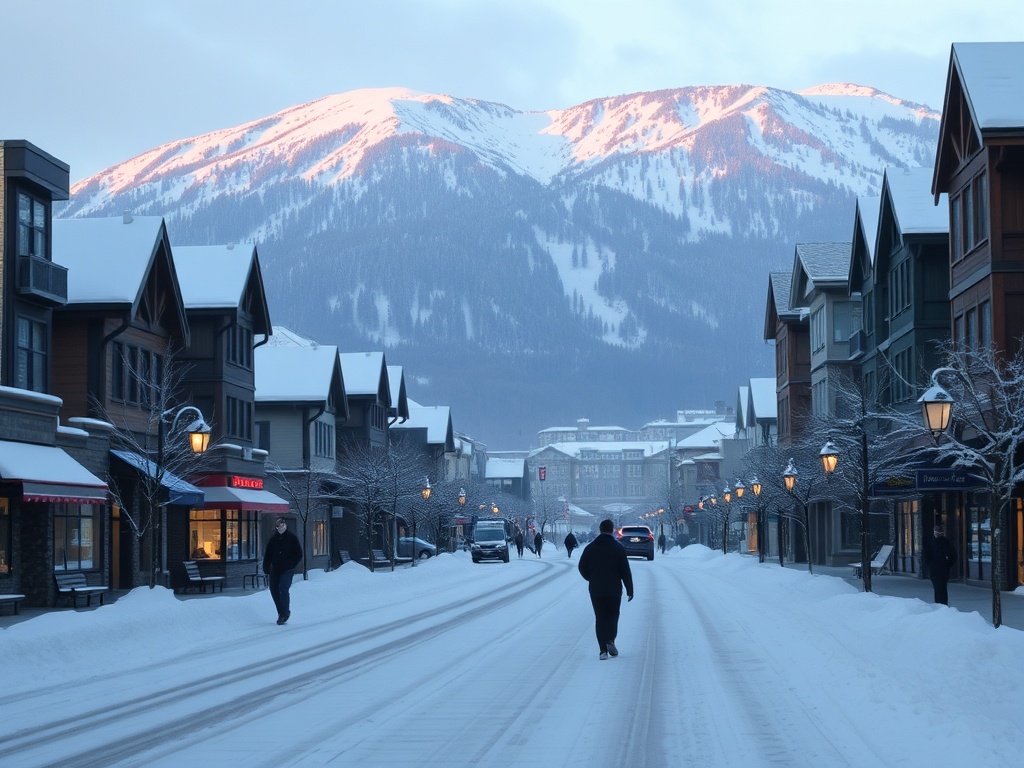
Mornings Set the Tone
Locals don’t ease into the day here. They get after it early.
By the time most visitors are waking up, locals have already had coffee and are halfway through their first lap—or halfway through a trail run in the summer. That early window is when Whistler feels grounded and real.
If you adjust your schedule even slightly earlier, everything improves: access, pace, and overall experience.
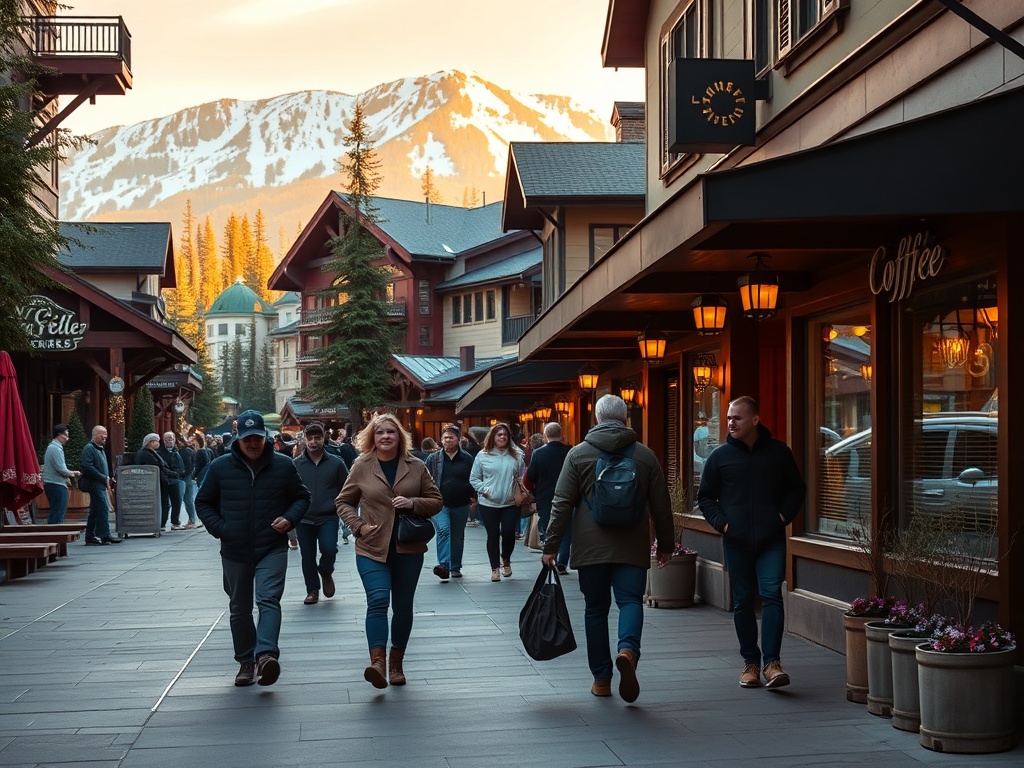
The Village Core Isn’t Where You Spend All Your Time
Visitors tend to orbit the main pedestrian stroll. Locals don’t.
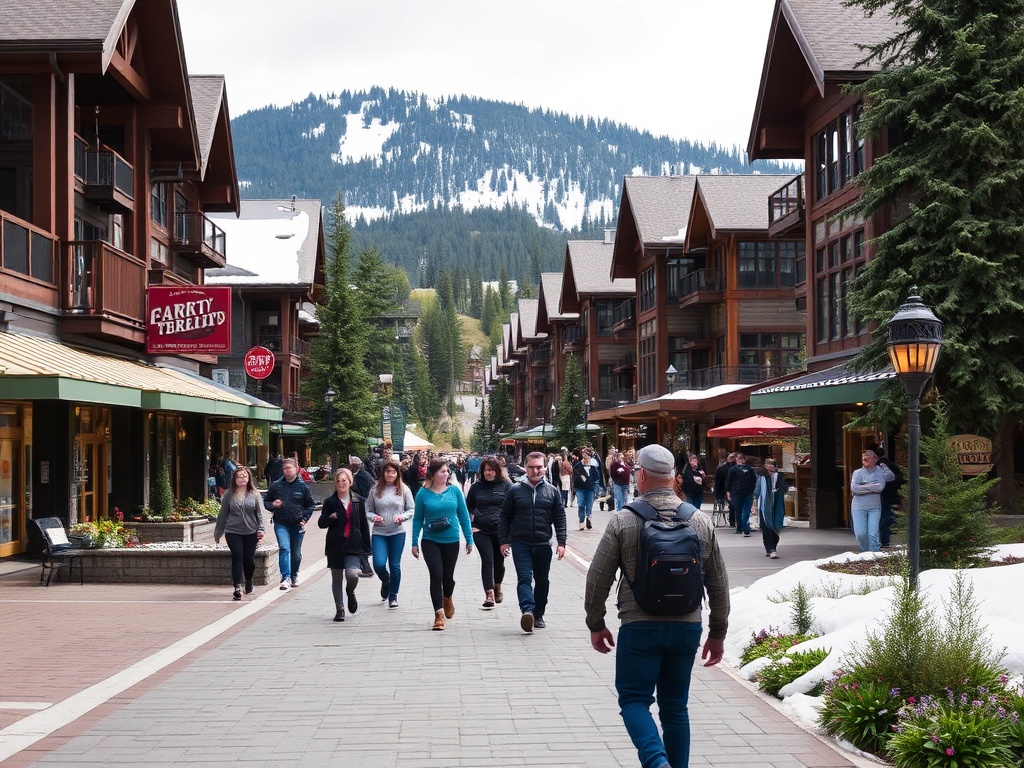
They pass through it, but they don’t stay there long. The core is designed for convenience, not for depth. If you linger only there, everything starts to feel the same—crowded, expensive, predictable.
The moment you step just slightly outside that center, things loosen up. You’ll notice quieter corners, better pacing, and spaces that feel less curated.
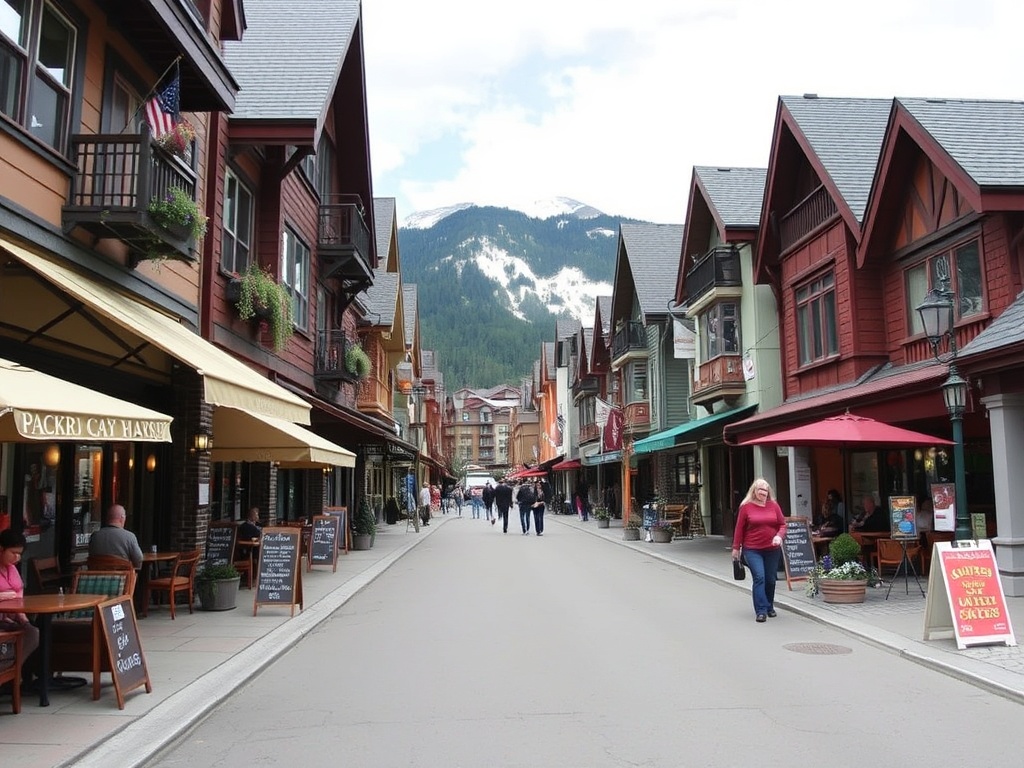
Timing Matters More Than Location
One of the biggest misconceptions about Whistler Village is that knowing “where” is enough. It isn’t.
Locals focus on when. The same place can feel completely different depending on timing.
- Early = calm, efficient, local-heavy
- Midday = busy, transitional, crowded
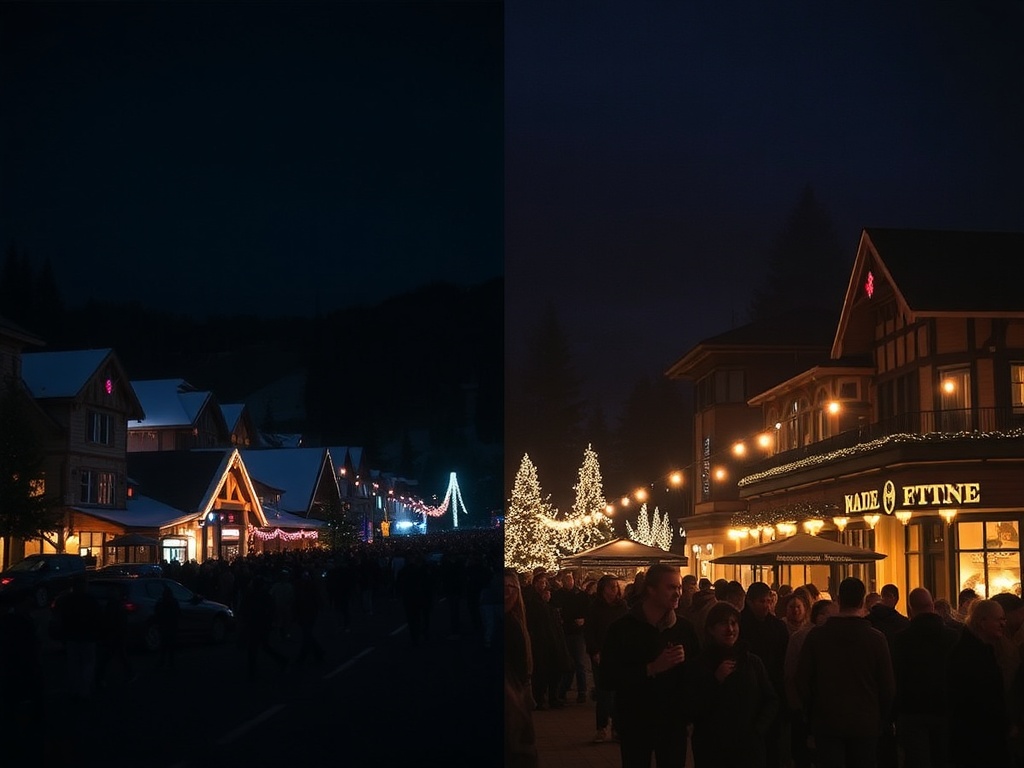
- Evening = social, but manageable if planned right
If you shift your timing instead of chasing different spots, you’ll naturally avoid most friction.
Food Is Better When You Think Ahead
There’s no shortage of food options here—but spontaneity doesn’t always pay off.
Locals don’t wait until they’re starving to decide. They think ahead, even casually. They know when to go, when to avoid, and when something isn’t worth the wait.
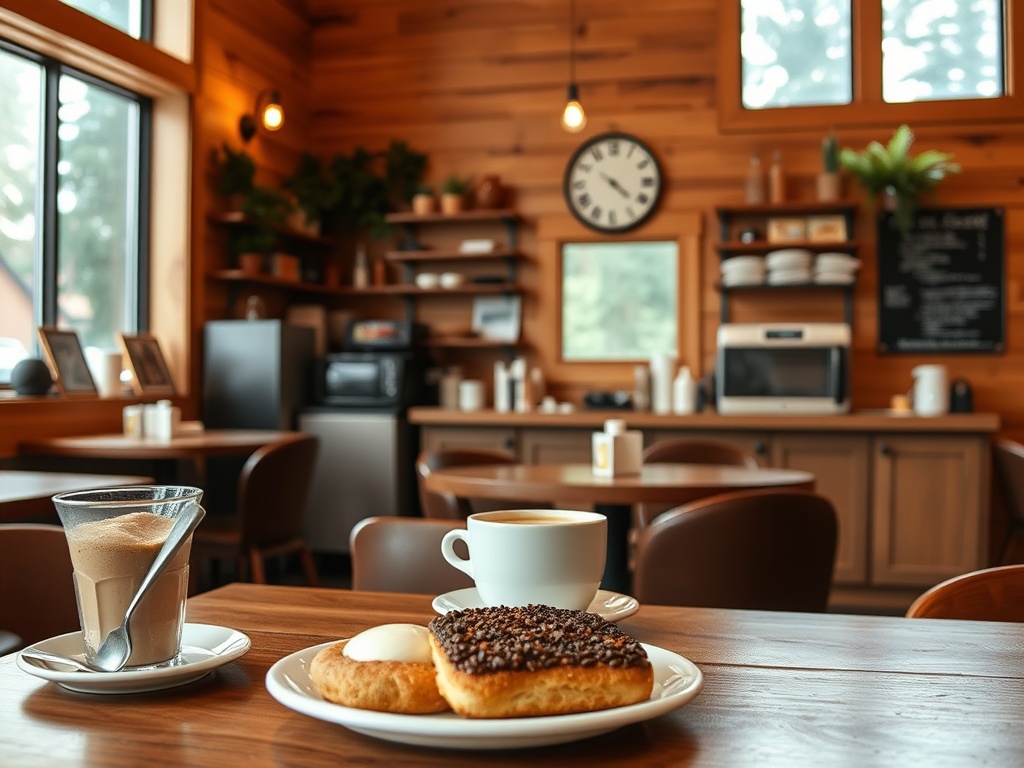
Breakfast is the easiest win in Whistler. It’s consistent, less crowded, and often better value than dinner. If you want one reliable meal each day, make it that.
Movement Is Constant
People who live here rarely stay in one place for long. There’s a natural flow—village, lifts, trails, back again, then out somewhere quieter.
If you plant yourself in one zone for too long, you start to feel the friction: crowds, noise, waiting.
Even small shifts—walking five minutes away from the busiest stretch—change your experience completely.
Weather Dictates Everything
This is non-negotiable. Plans are secondary. Conditions come first.
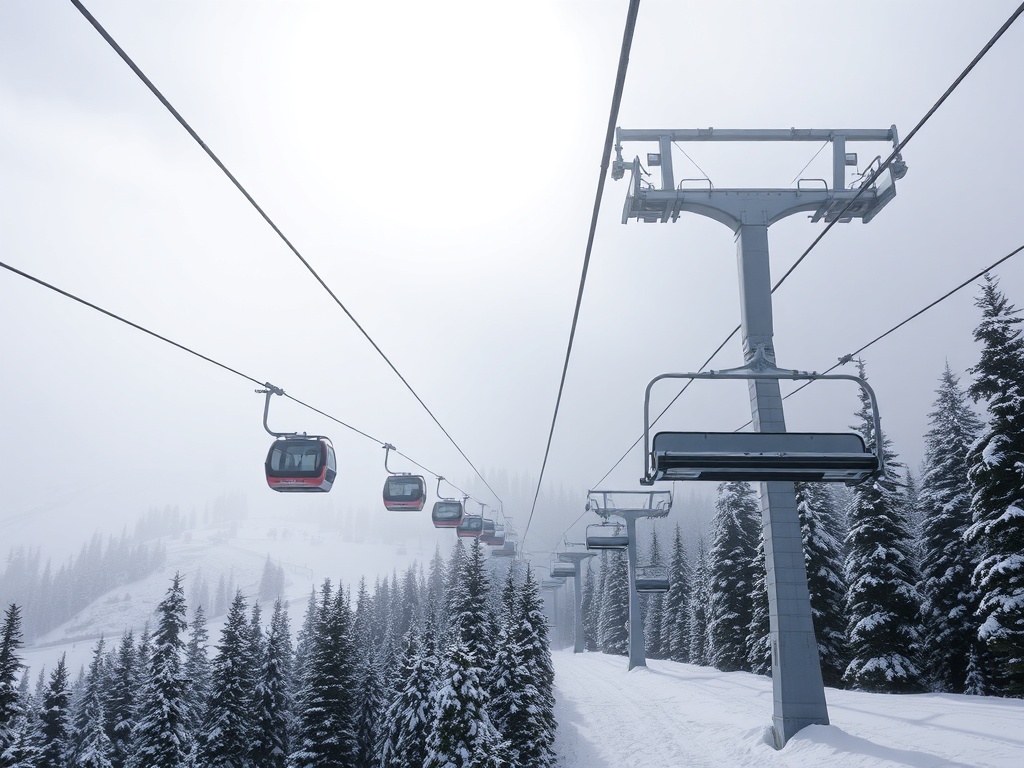
Locals adjust without hesitation. If visibility drops, they change terrain. If it’s warmer lower down, they move higher. If the weather shifts midday, they pivot.
The more flexible you are, the more you’ll get out of your time here.

There’s Value in Doing Less
Trying to fit everything into one trip is the fastest way to dilute the experience.
Locals don’t chase volume. They repeat what works. They go back to the same trails, the same routines, the same rhythms—and that’s where the quality comes from.
Pick a few priorities and let the rest go. You’ll enjoy it more.

What Locals Quietly Avoid
No one announces this part, but it’s obvious once you notice it:
- Peak-hour lift lines when alternatives exist
- Overcrowded central patios at predictable times
- Last-minute weekend dinner plans
- Overpacked itineraries
These aren’t secrets. They’re patterns. Once you see them, they’re easy to avoid.
The Local Mindset
What separates locals from visitors isn’t access—it’s approach.
They move earlier. They stay flexible. They don’t overcommit. And they don’t try to force the experience into a tight schedule.
Whistler Village rewards that mindset. If you adopt even part of it, the place opens up in a completely different way.
And once you see it that way, it’s hard to go back to doing it the crowded, rushed version.