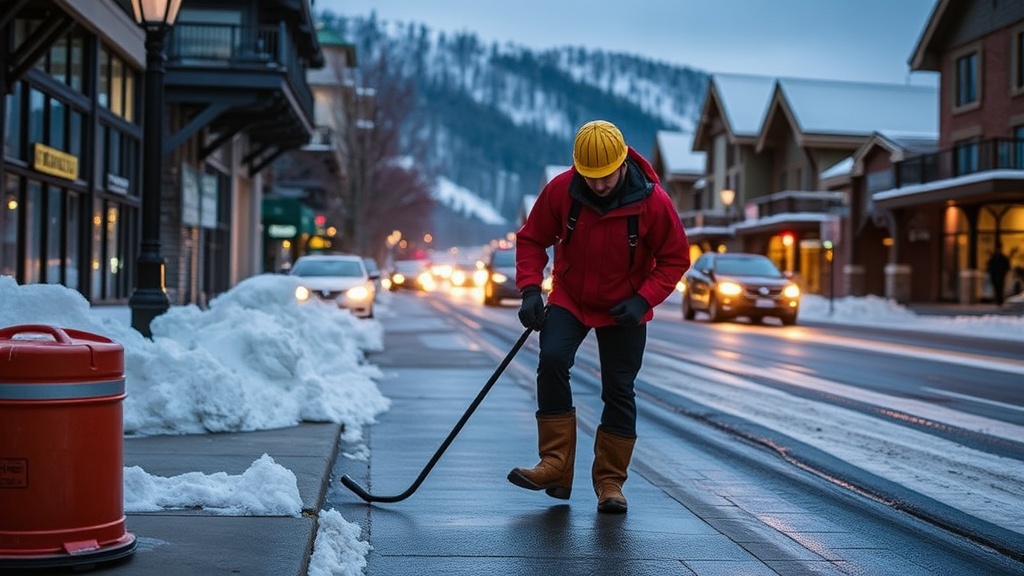
Getting Your Gear Ready for Whistler Village Sidewalk Maintenance

It’s 6:00 AM on a Tuesday, and the heavy snow from last night has turned the pedestrian areas near the Whistler Village Gondola into a skating rink. You’re trying to walk from your condo to pick up a coffee, but you’re doing that awkward, wide-stanced shuffle to avoid slipping on a patch of black ice. This isn't just a nuisance; it's a part of living here. Understanding how to manage your movement and your gear during the heavy snow cycles in Whistler Village is a fundamental skill for anyone living in the core.
Living in the heart of the action means you deal with the direct results of snow removal and salt application. While the municipal crews work hard, the transition between cleared paths and untouched snow can be tricky. We see it every season: people walking with too much momentum or wearing footwear that simply wasn't built for the slushy, icy reality of Whistler Village streets.
What footwear works best for Whistler Village sidewalks?
If you’re living in the Village, your choice of shoes dictates your morning productivity. You might think a standard sneaker is fine for a quick trip to the grocery store, but the constant moisture and freeze-thaw cycles in Whistler Village demand something better. We recommend looking for boots with deep tread patterns—think Vibram soles or similar heavy-duty outsoles. The goal is to find grip that can bite through that thin layer of ice that often forms on the paved surfaces near the bus loop.
Avoid anything with a smooth or shallow tread. Even high-end fashion boots often fail when they hit the salt-crusted patches near the edges of the path. If you’re heading out for a long shift and need to walk a few blocks, consider a pair of footwear with a waterproof membrane. This isn't just about staying dry; it’s about preventing that numb-foot sensation that comes from walking through slush for twenty minutes. A local tip: keep a pair of heavy-duty indoor slippers for when you get home, as your boots will likely be a mess of salt and slush by the time you reach your door.
How do I keep my gear dry during the winter?
It’s not just about your feet; it’s about the gear you carry. If you’re carrying a laptop or a change of clothes for work, the moisture in the air around Whistler Village can be brutal on your belongings. We often see locals struggling with damp backpacks that have soaked up the slush from the lower parts of the Village. If you’re heading out, invest in a waterproof backpack cover or a high-quality dry bag to keep your essentials safe.
When you get back to your place, don't just throw your gear in a corner. We’ve found that using a boot dryer or even just placing your boots near (but not directly on) a heat source helps significantly. This keeps the moisture from sitting in the fabric, which extends the life of your gear. If you’re walking through the Village during a heavy melt, also consider using a waterproof gaiter over your pants. It’s a small detail, but it stops the slush from climbing up your legs and soaking your socks.
Where can I find more info on local snow-clearing schedules?
While we can't control the weather, we can stay informed about how the community manages the infrastructure. The District of Whistler provides updates on various municipal services and public works. For anyone living in the Village, staying aware of the snow-clearing patterns can help you plan your walks more effectively. You can check the official updates at Whistler.ca to see if there are any major maintenance alerts for the pedestrian areas.
Understanding the rhythm of the Village is key. Usually, the heavy clearing happens in the early hours of the morning, which means the paths might be extra slippery during the dawn hours. If you're a local who needs to get around during these times, be extra cautious near the intersections and the areas around the main bus stops. The heavy machinery used for clearing can sometimes leave uneven surfaces or piles of heavy, wet snow that are easy to trip over.
Common Mistakes to Avoid
We see these mistakes all the time in our community:
- Walking too fast: Even if you're running late for a shift, that extra speed on an icy patch near the Village entries is a recipe for a fall.
- Ignoring the salt: The salt and sand used in Whistler Village can be incredibly abrasive. Make sure you wash your boots frequently to prevent salt buildup from eating away at the leather or fabric.
- Not checking the forecast: A quick glance at the weather can tell you if you'll be walking through a light dusting or a heavy blizzard.
Living here is about being prepared. Whether you are walking to a local shop or heading to a community meeting, having the right mindset and the right gear makes the seasonal transitions much easier to handle. Stay safe out there in the Village.